
Why Raising Your Prices Matters
Raising your prices is not just about making more money. It is a fundamental strategy for the sustainability and growth of your business. Many entrepreneurs fear increasing their rates because they might lose clients. In reality, keeping prices low may be hurting your business more than you think.
The Myth of Losing Clients
There is a widespread fear: "If I raise my prices, I will lose clients." And it is true, you will probably lose a few. But here is the secret that changes everything:
Concrete example: Imagine you currently have 10 clients who pay you $100 each = $1,000 per month. If you raise your prices to $150 and lose 3 clients, you are left with 7 clients × $150 = $1,050 per month. You are making more money while working with fewer clients.
This concept is revolutionary because it means:
- Less time dedicated to each project or service
- Less stress and burnout
- More capacity to focus on quality
- Better work–life balance
Clients who leave because of a reasonable price increase likely were not your ideal clients anyway. Clients who value your work and see the return on investment will stay with you.
Key Benefits of Raising Your Prices
1. More Time and Energy
By working with fewer clients while charging more for each, you free up valuable time. This extra time lets you:
- Develop new skills
- Improve your processes
- Rest and avoid burnout
- Focus on marketing and strategic growth
2. Healthier Profit Margins
Better prices mean better margins. With wider margins you can:
- Invest in quality tools and technology
- Hire help or subcontract tasks
- Create a financial cushion for your business
- Reinvest in your professional development
3. Ability to Offer Better Service
When you are not overloaded and have better financial resources, you can dedicate more attention to each client. This results in:
- Higher client satisfaction
- Better outcomes and testimonials
- High‑quality referrals
- Longer‑term business relationships
4. Higher Earnings per Client
Client lifetime value increases when you charge what you are worth. This allows you to:
- Be more selective with projects you accept
- Work only with clients who respect your expertise
- Create premium experiences that justify premium prices
5. Professional Positioning
Prices communicate value. Higher prices position you as an expert in your field, attracting higher‑quality clients who seek results, not the cheapest option.
How to Raise Your Prices Strategically
Step 1: Analyze Your Current Situation
Before making changes, evaluate:
- How much are you currently charging?
- How much do competitors with similar experience charge?
- What is the real value you deliver to your clients?
- When was the last time you raised your prices?
- What is your current capacity vs. your ideal client capacity?
Step 2: Define Your New Pricing Model
Decide your increase strategy:
- Gradual increase: 15–25% is generally well received
- Significant increase: 30–50% if you have been charging far below your value
- Tiered pricing: Create packages with different service levels
- Premium pricing: Introduce high‑value options for clients seeking the best service
Step 3: Plan the Timing
Timing matters. Consider raising prices:
- At the start of a new year or quarter
- After completing a certification or developing a new skill
- When launching a new or improved service or product
- After achieving significant results for current clients
Client Communication Techniques
Proactive Communication
The key is transparency and respect. Follow these principles:
- Advance notice: Give at least 30–60 days’ notice
- Direct communication: Send a personalized email, not a generic one
- Clear explanation: Briefly share the reasons for the increase
- Genuine gratitude: Thank them for their trust and loyalty
Communication Template
Sample message for current clients:
Subject: Important Update About Our Services
Hello [Name],
I hope this message finds you well. I want to share an important update about my services.
Starting on [specific date, e.g., March 1, 2026], I will be updating my pricing structure. Your new rates will be [new price] instead of [current price].
I do not make this decision lightly. Over the past year, I have invested significantly in [mention: new tools, training, certifications, improved processes] to deliver even better results. This adjustment allows me to continue providing you the quality of service you deserve while maintaining the sustainability of my business.
I deeply value our professional relationship and wanted to give you enough notice so you can plan accordingly.
If you have any questions or would like to discuss how we can continue working together, I am happy to chat.
Thank you for your understanding and for trusting my work.
Warm regards,
[Your Name]
Honoring Original Rates for Long‑Term Clients
This is a powerful strategy to maintain loyalty:
- Transition period: Offer current clients to keep their original rates for an additional 3–6 months
- Seniority clause: "Clients who have been with me for more than [X years] will keep a permanent [10–15%] discount"
- Grandfathering: Consider keeping legacy rates indefinitely for your first 5–10 clients as a thank‑you
- Gradual increases: For multi‑year clients, implement the increase in two phases: 50% now, 50% in 6 months
Special message example:
"Since you have been with me since [year/time], I want to acknowledge your loyalty. Although my new rates take effect in March, I will keep your current rates until September 2026. In addition, when we transition, I will only increase by [X%] instead of the standard [Y%] for new clients."
Communicating Value
A price increase should be accompanied by clear value communication. You are not charging more for the same. You are highlighting everything you deliver:
Document Your Results
- Create case studies showing the ROI you generate
- Collect testimonials with measurable outcomes
- Quantify your impact in terms that matter to your clients
Refresh Your Value Proposition
- What do you do that others do not?
- What unique experience do you bring?
- What processes or methodologies have you developed?
- What guarantees or follow‑up do you offer?
Add Tangible Value
When raising prices, consider including something new:
- More detailed reports
- Additional check‑ins
- Access to exclusive resources
- Priority response
- Quarterly strategic consultations
Handling Objections
If a client says: "It is too expensive"
Respond with:
"I understand it is an investment. Let me show you the return others have achieved. [Share a specific case.] What specific value are you looking to get from our work together?"
If a client threatens to leave
Hold your ground with grace:
"I fully understand your situation. I am sorry we cannot continue working together right now. If your circumstances change in the future, you will always be welcome. In the meantime, may I recommend some alternatives that may better fit your current budget?"
If a client asks for a discount
Offer options, not discounts:
"My prices reflect the value and dedication I put into each project. If the full price does not fit your budget, I can offer a more basic package that includes [X, Y] for [lower price], or we can explore a payment plan."
Final Considerations
Common Mistakes to Avoid
- Apologizing for the increase: Do not apologize for valuing your work
- Over‑justifying: A brief explanation is enough
- Negotiating immediately: Give clients time to process before offering alternatives
- Raising prices without improving anything: Make sure your service justifies the price
The Right Mindset
Remember these principles:
- Charging less than you are worth devalues your entire industry
- Clients who seek the cheapest option are rarely the best clients
- Your time and expertise have real value
- You cannot serve others well if your business is not sustainable
- Raising prices is a sign of professionalism and growth, not greed
Post‑Increase Follow‑Up
After implementing the increase:
- Monitor client retention rate (70–85% is healthy)
- Request feedback from those who stay about what they value most
- Document how the increase affects your ability to serve better
- Adjust your marketing strategy to attract clients in your new price range
- Celebrate the space and opportunities this change creates
Take the next step
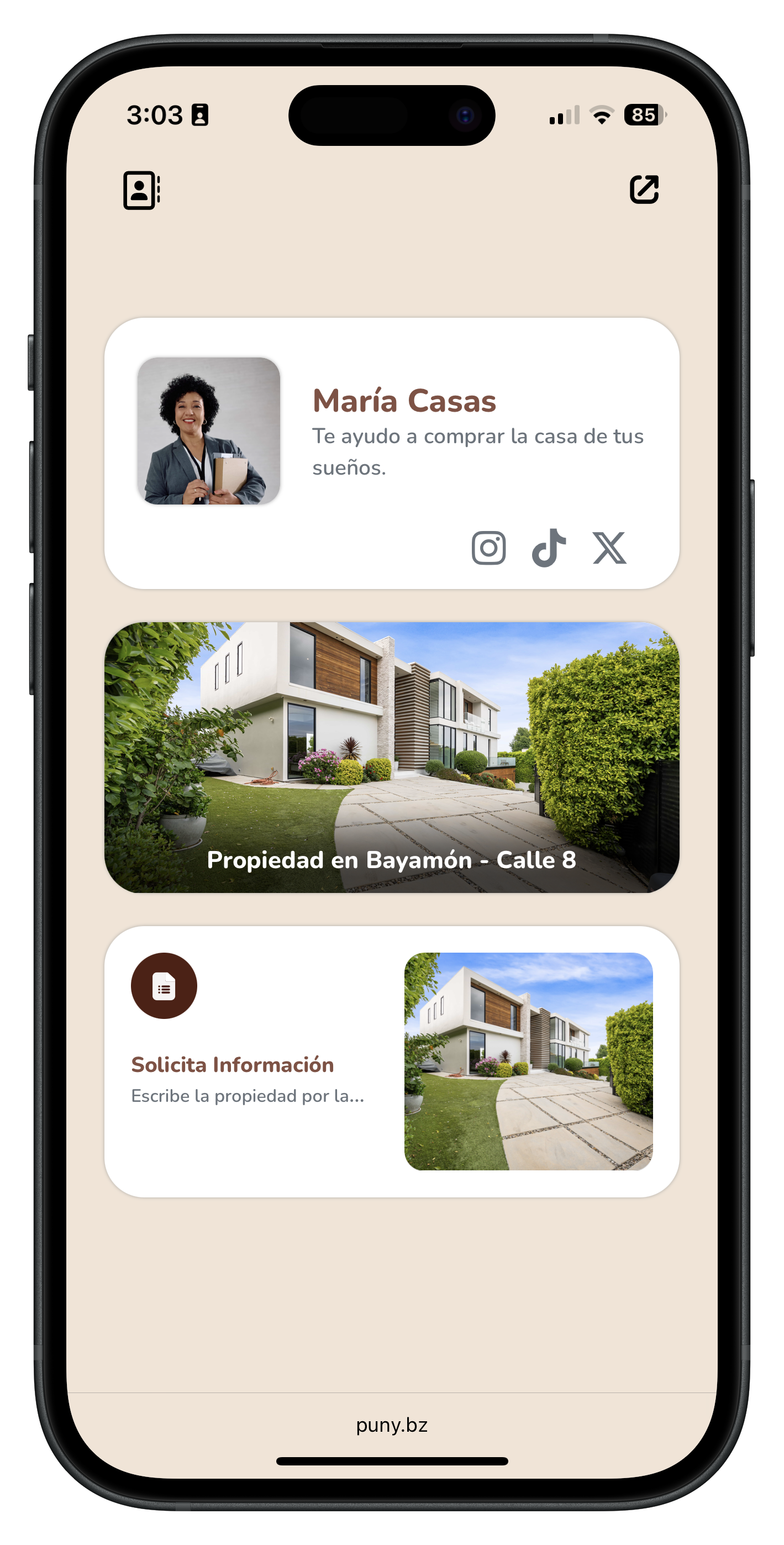
Ready to charge what you’re worth with less friction? Build your offer on Puny.bz: publish booking cards, require deposits to reduce no‑shows, and get paid via Stripe or ATH Móvil. Join today and turn your price increase into a sustainable system.
Conclusion: Raising your prices is not only about making more money. It is about building a sustainable business that allows you to do your best work while maintaining your well‑being. The right clients will understand and value your decision. Those who do not will make room for better clients who appreciate what you offer.